Vegan Collagen Alternatives: How to Read Terms, Claims and Labels
Note: Food supplements are not a substitute for a balanced, varied diet and a healthy lifestyle. Do not exceed the stated recommended daily intake. Keep out of reach of young children. This content is for general information only and is not a substitute for medical advice – please consult a doctor or pharmacist if you have health concerns.
What collagen is, and why the term matters
Collagen is a family of structural proteins found in animal tissues. A conventional animal-collagen product is therefore not vegan. That fact does not judge a vegan diet and does not say what another product does in the body. The useful question is whether a label actually names collagen, or describes another ingredient or nutrient. *[Structure context: Shoulders & Raines 2009; Ricard-Blum 2011]*
Which nutrients are involved in normal collagen formation
Some nutrients may have authorised health claims. Vitamin C contributes to normal collagen formation for the normal function of skin. This wording may only be used where the conditions of use for the specific product are met and evidenced. It describes a normal physiological function. It does not show that a vegan product contains collagen, that a routine is optimal or that a visible outcome will follow. *[Claim framework: Regulation (EU) No 432/2012]*
What “vegan collagen alternative” can mean on a label
The phrase may refer to vegan composition, listed nutrients, proteins or a marketing position. It is not one standard scientific product category. Check the ingredients list, nutrition information, exact claim wording and the source for the claim. Terms such as “booster”, “activates” or “equivalent” are not evidence on their own.
How vegan readers can prepare a factual choice
Start with dietary requirements, possible allergens and the complete ingredients list. Then ask whether a visible claim is authorised and supportable for that specific product. Individual medical questions cannot be answered by a general label or a general product recommendation.
💡 Do not merge a claim with a product effect
- 1.An authorised nutrient claim describes a normal body function under defined conditions. It does not prove product quality, a visible result or an individual effect.
Existing product overview

Existing standalone card in a cofactor context; ingredients and any authorised nutrient claim remain separate from product effect.
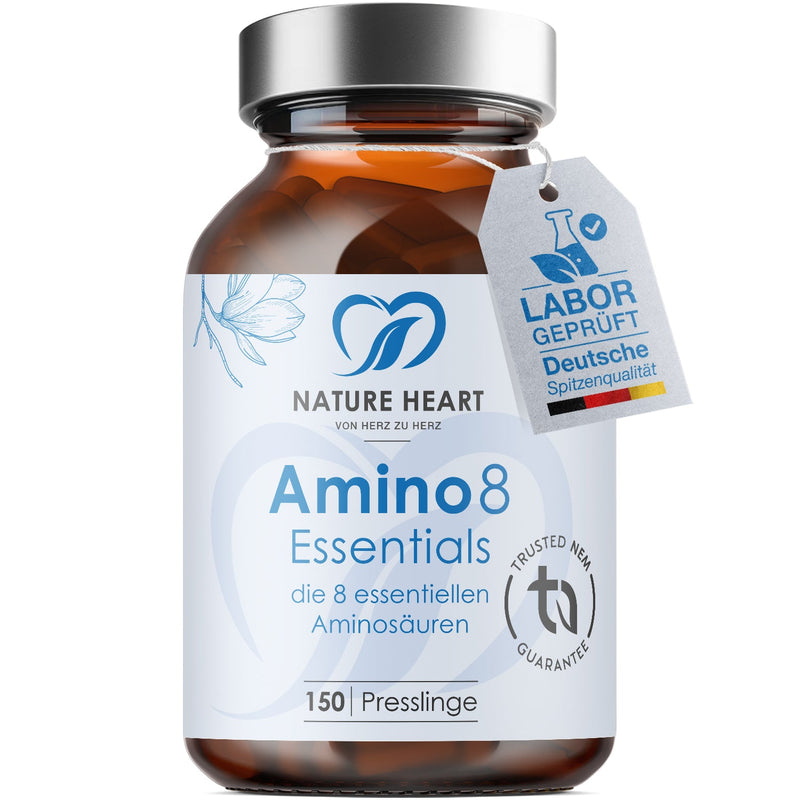
Existing card as a separate product in the existing vegan card set; it does not replace terminology or claim checks.
* These are affiliate links. If you buy through them we earn a commission – the price stays the same for you.
Frequently asked questions
Is collagen vegan?
Collagen is a structural protein from animal tissue. A conventional animal-collagen product is therefore not vegan. This classification does not judge a dietary pattern or another product.
What is the difference between collagen and a vegan collagen alternative?
Collagen names an animal protein. A vegan collagen alternative may refer to vegan composition, nutrients, proteins or a marketing term. The ingredients list and claim wording show what is actually meant.
What does a claim about normal collagen formation mean?
An authorised nutrient claim describes a normal body function under its conditions of use. It does not say that a product contains collagen or produces a visible individual effect.
Conclusion
Related articles
Collagen and Firm Skin: What Studies and Labels Actually Tell You
“Firm skin” is not a single study endpoint. This article separates skin structure, measured outcomes, product labels and the limits of research.
ReadCollagen for Joints, Bones & Connective Tissue
Collagen as a structural protein in joints, bones and connective tissue: what studies examined and where their limits lie.
ReadThe Most Important Vitamins for Your Immune System
Vitamins in nutrition: an overview of vitamin D, C, zinc and selenium, authorised claims and their limits.
ReadNote: This article is for general information only and is not a substitute for medical advice. Food supplements are not a substitute for a balanced, varied diet and a healthy lifestyle. Please consult a doctor if you have health concerns. Any EFSA health claims mentioned refer to the respective nutrients at a sufficient daily intake.
About the editorial team
The content on introdrink.ch is created by our editorial team using AI-based tools and then editorially reviewed. Health-related product statements follow the EU Health Claims Regulation (HCR); the authorised statements are shown on the respective product pages. Where we reference scientific studies, we link to the original sources directly in the article. More about us →