The Most Important Vitamins for Your Immune System
Note: Food supplements are not a substitute for a balanced, varied diet and a healthy lifestyle. Do not exceed the stated recommended daily intake. Keep out of reach of young children. This content is for general information only and is not a substitute for medical advice – please consult a doctor or pharmacist if you have health concerns.
Our immune system works around the clock to protect us from viruses, bacteria and other pathogens. But for the body's own defences to function optimally, they need the right building blocks – above all certain vitamins and minerals.
Especially during the cold season, in stressful phases of life or with an unbalanced diet, it can make sense to support the immune system in a targeted way. In this article you will learn which micronutrients are scientifically linked to normal immune function – and how best to take them in.
Vitamin D – The Sunshine Vitamin for Your Defences
Vitamin D holds a special position among the immune vitamins: it activates what are known as T cells, which play a central role in immune defence. Without enough vitamin D, these cells cannot respond effectively to pathogens.
The problem: at our latitudes (Switzerland, Germany, Austria), the sunlight from October to March is not strong enough to form sufficient vitamin D via the skin. The Swiss Federal Nutrition Commission therefore recommends supplementation, particularly in winter.
The combination with vitamin K2 is important: while D3 promotes the absorption of calcium in the gut, K2 ensures that the calcium is deposited in the bones – and does not end up in the blood vessels. The two vitamins thus complement each other perfectly.
EFSA health claim: Vitamin D contributes to the normal function of the immune system (EFSA Journal 2010;8(2):1468).
Vitamin C – More Than Just a Cold-Season Vitamin
Vitamin C is probably the best-known immune vitamin – and rightly so. It supports the cellular immune defence, protects the cells from oxidative stress and promotes the formation of white blood cells (leukocytes), which fight off pathogens.
What many people do not know: vitamin C is not stored in the body. You have to take it in every day. Natural vitamin C from the acerola cherry is particularly bioavailable, as it occurs together with natural bioflavonoids that improve absorption.
A further advantage: vitamin C supports collagen formation and thereby the skin barrier – our first line of defence against intruders.
EFSA health claim: Vitamin C contributes to the normal function of the immune system. Vitamin C contributes to the protection of cells from oxidative stress.
Zinc – The Underrated Immune Mineral
Zinc is involved in over 300 enzymatic processes and is indispensable for the immune system. It is needed for the maturation and activation of immune cells and also has an antiviral effect – studies show that zinc can inhibit the replication of certain viruses.
A zinc deficiency measurably weakens the immune response. Vegetarians and vegans are particularly at risk, as zinc from plant sources is absorbed less well (phytic acid binds zinc).
The ionic form of zinc offers particularly high bioavailability, as the mineral is already in dissolved form and can be used directly by the body.
EFSA health claim: Zinc contributes to the normal function of the immune system.
Selenium – The Thyroid and Immune Trace Element
Selenium is an essential trace element that is often taken in insufficient amounts in Europe – the soils in Central Europe are low in selenium. Yet selenium is important for the immune system in several ways:
- It supports the formation of antibodies
- It protects immune cells from oxidative stress
- It is essential for the thyroid function, which regulates the entire metabolism
Ionic selenium drops offer the advantage of precise dosing and high bioavailability.
EFSA health claim: Selenium contributes to the normal function of the immune system. Selenium contributes to the protection of cells from oxidative stress.
The Synergy: Why Combinations Are More Effective
Our immune system is complex – and the micronutrients that support it work together as a team. Vitamin D activates the T cells, vitamin C strengthens the leukocytes, zinc inhibits viruses and selenium protects the immune cells. If one link in the chain is missing, the whole defence suffers.
That is why it is advisable not to supplement individual vitamins on their own, but to follow a holistic immune strategy. A combination of the nutrients mentioned covers the most important areas and supports the immune system on several levels.
Of course, food supplements are no substitute for a balanced diet. But they can help to close gaps – especially in winter, during stress or when needs are increased.
💡 5 Everyday Tips for a Strong Immune System
- 1.Get enough sleep (7-8 hours) – the immune system regenerates during sleep
- 2.Regular exercise in the fresh air, even in winter
- 3.Reduce stress – chronic stress has been shown to weaken the defences
- 4.Drink enough (at least 1.5-2 litres of water daily)
- 5.Supplement vitamin D in a targeted way during winter
Existing product overview
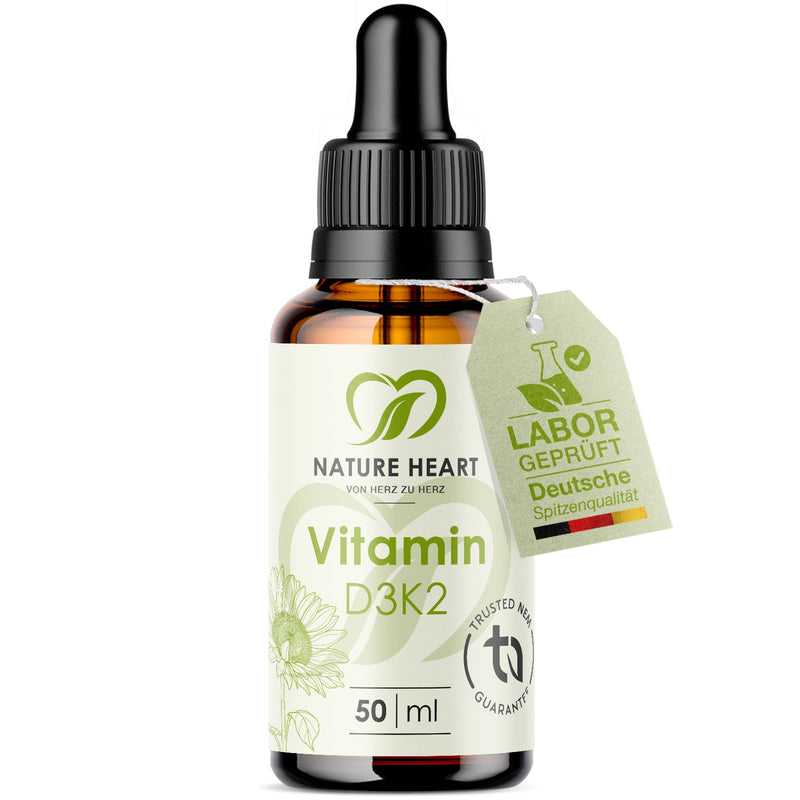
Optimal D3+K2 combination in MCT oil for the best absorption – particularly important in winter.


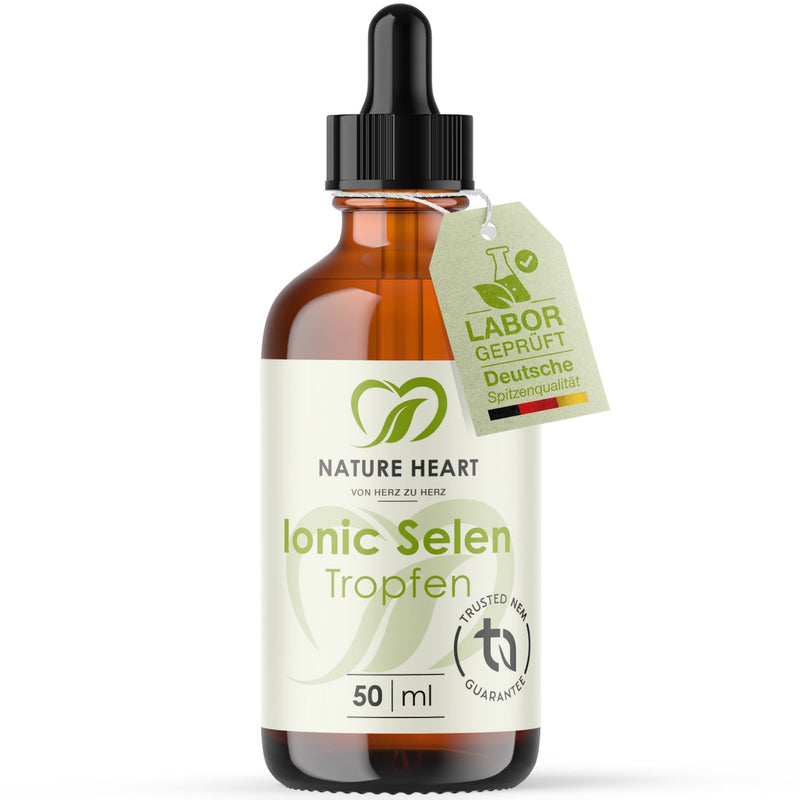
Ionic selenium for the immune system, thyroid and cell protection.
* These are affiliate links. If you buy through them we earn a commission – the price stays the same for you.
Frequently asked questions
Which vitamin is the most important for the immune system?
There is no single most important vitamin – the immune system needs an interplay of several nutrients. Under the EFSA health claims, vitamin D, C, zinc and selenium all make an established contribution to normal immune function. In winter, vitamin D is of particular importance, as the body's own production through sunlight is not sufficient.
Can you 'boost' your immune system with vitamins?
The term 'immune booster' is not scientifically correct. Food supplements can compensate for a deficiency and thereby support the normal function of the immune system. A well-supplied body can fend off pathogens more efficiently. However, food supplements are no substitute for a healthy lifestyle with enough sleep, exercise and a balanced diet.
When should you supplement vitamin D?
In Switzerland, Germany and Austria, nutrition commissions recommend vitamin D supplementation from October to March, as sunlight in these months is not sufficient for adequate self-production. For people who spend little time outdoors or who cover up, year-round supplementation can make sense.
Conclusion
A strong immune system is based on a good supply of the right micronutrients. Vitamin D, vitamin C, zinc and selenium are scientifically established helpers that support your immune system – especially during the cold season or when needs are increased.
Pay attention to high-quality, highly bioavailable forms and combine supplementation with a healthy lifestyle. That way you give your body the best foundation for strong defences.
Related articles
Magnesium: The underrated mineral
Magnesium as a mineral: basics, sources and the limits of interpreting complaints or a possible deficiency.
ReadPlant Extracts for Liver & Digestion
Plant extracts and chlorophyll: what is discussed about these substances in relation to liver and metabolism, and where reliable statements are lacking.
ReadMolecular Hydrogen: Three Studies in Context
Three frequently cited papers read through their design.
ReadNote: This article is for general information only and is not a substitute for medical advice. Food supplements are not a substitute for a balanced, varied diet and a healthy lifestyle. Please consult a doctor if you have health concerns. Any EFSA health claims mentioned refer to the respective nutrients at a sufficient daily intake.
About the editorial team
The content on introdrink.ch is created by our editorial team using AI-based tools and then editorially reviewed. Health-related product statements follow the EU Health Claims Regulation (HCR); the authorised statements are shown on the respective product pages. Where we reference scientific studies, we link to the original sources directly in the article. More about us →