Bovine vs Marine Collagen: Source, Labels and Comparison Criteria
Note: Food supplements are not a substitute for a balanced, varied diet and a healthy lifestyle. Do not exceed the stated recommended daily intake. Keep out of reach of young children. This content is for general information only and is not a substitute for medical advice – please consult a doctor or pharmacist if you have health concerns.
Source material: what bovine and marine describe
These terms describe the animal source of a collagen product. They do not automatically establish a specific batch, processing method, quality level or outcome. For any individual product, the actual label is what matters. General collagen references explain structure and origin; they do not replace a product label. *[Structure context: Shoulders & Raines 2009; Ricard-Blum 2011]*
Hydrolysis and molecular weight: what cannot be inferred from them
A label statement such as “hydrolysed”, or a molecular-weight figure, does not establish absorption, quality, suitability or an outcome for a specific product. This article does not offer a further technical interpretation without a directly assigned, verified source.
Check the label before comparing
Check the stated source, ingredients, allergen information and further details only to the extent that they are clearly declared for the specific product. Origin, fish-related or batch information can be verifiable label features. Terms such as “premium”, “pure” or “sustainable” need their own sound basis and cannot be inferred from source alone.
Which criteria may matter personally
Dietary pattern, known allergies and religious or environmental preferences may matter in a comparison. They do not produce a universal ranking. For allergy questions, the specific label and, where needed, professional advice matter more than broad claims about an entire product category.
Why a “best choice” verdict is not well supported
Source, product features, evidence and personal preference are different levels of information. Without a directly relevant, verified comparison of the products and a defined endpoint, no source can be called best for skin, sport, safety or absorption.
💡 Read the label before making the comparison
- 1.A source statement answers where a material comes from. It does not automatically answer questions about quality, tolerability, absorption or outcome.
Existing product overview
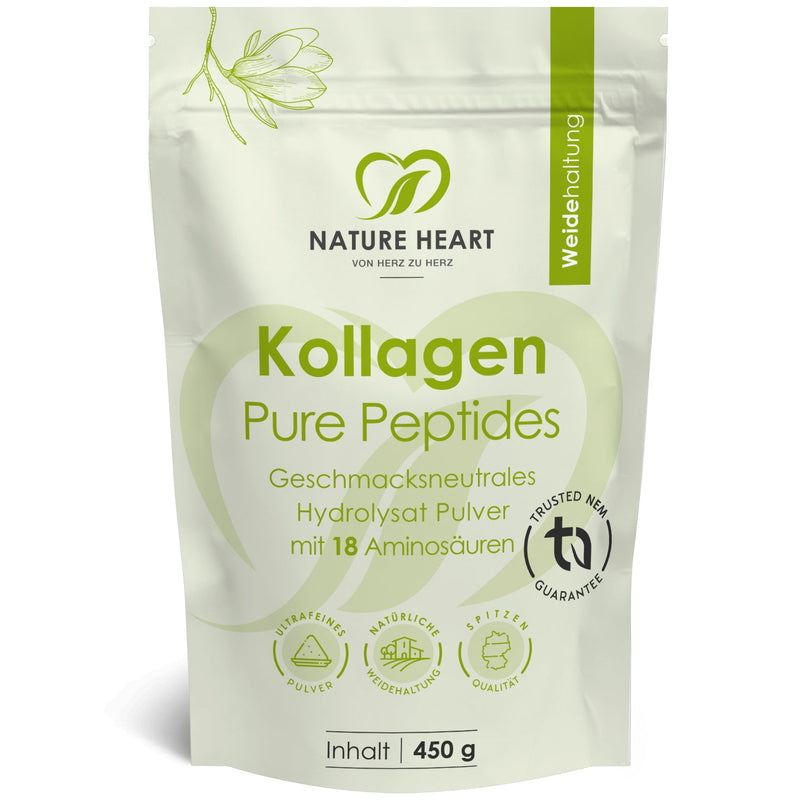
Existing card with a declared product description. The article does not derive an outcome from the label.

The existing card remains a separate product; it is not a criterion in a bovine-versus-marine comparison.
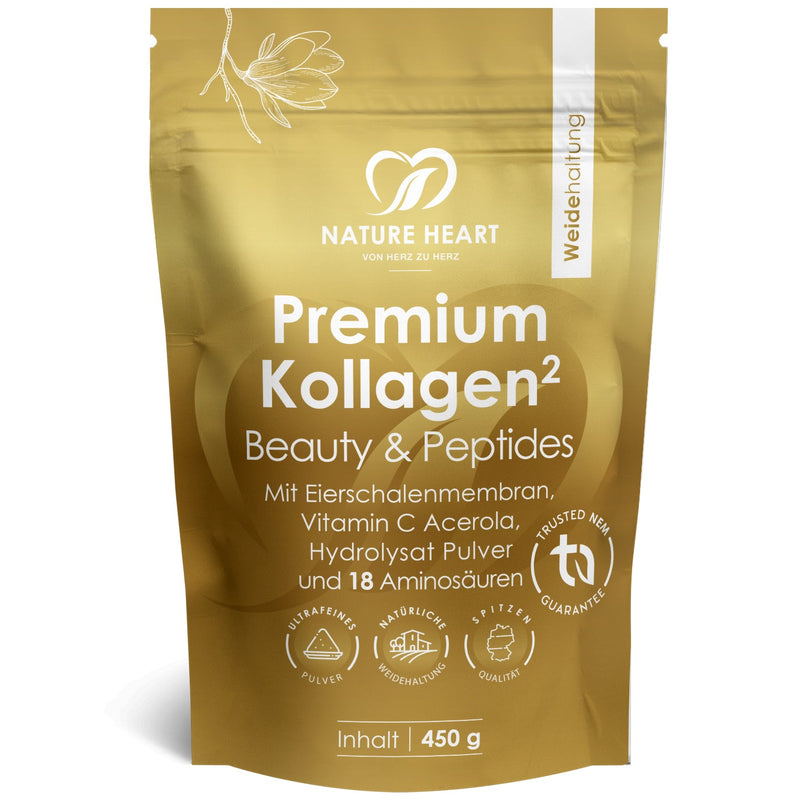
Existing card as an example of declared bovine-collagen and formulation information, not as a comparison winner.
* These are affiliate links. If you buy through them we earn a commission – the price stays the same for you.
Frequently asked questions
What is the difference between bovine and marine collagen?
The terms describe different animal source materials. They do not automatically determine quality, absorption, safety or an outcome. For a specific product, the label is decisive.
Does collagen type describe an effect?
No. Collagen types describe structural features within the collagen family. Without directly relevant evidence, they do not establish a product effect or suitability.
What can be inferred from the term “hydrolysed”?
The term does not establish absorption or an outcome for a specific product. This article does not offer a further technical interpretation without a directly assigned, verified source.
Which label details can be checked when comparing products?
Declared source, ingredients and stated allergen information can be checked. Value labels such as premium or best choice are not automatically evidenced label facts.
When is an allergy question relevant?
For known allergies, the specific ingredients and allergen statement on the product matter. A broad claim about a whole collagen source does not replace individual assessment.
Is there a best collagen source?
A universal best choice cannot be inferred from source, hydrolysis or marketing terms. Product features, evidence and personal preferences are separate questions.
Conclusion
Related articles
Collagen and Firm Skin: What Studies and Labels Actually Tell You
“Firm skin” is not a single study endpoint. This article separates skin structure, measured outcomes, product labels and the limits of research.
ReadVegan Collagen Alternatives: How to Read Terms, Claims and Labels
“Vegan collagen alternative” can mean several things. The key distinction is whether a product contains collagen, carries an authorised nutrient claim or simply uses marketing language.
ReadCollagen for Joints, Bones & Connective Tissue
Collagen as a structural protein in joints, bones and connective tissue: what studies examined and where their limits lie.
ReadNote: This article is for general information only and is not a substitute for medical advice. Food supplements are not a substitute for a balanced, varied diet and a healthy lifestyle. Please consult a doctor if you have health concerns. Any EFSA health claims mentioned refer to the respective nutrients at a sufficient daily intake.
About the editorial team
The content on introdrink.ch is created by our editorial team using AI-based tools and then editorially reviewed. Health-related product statements follow the EU Health Claims Regulation (HCR); the authorised statements are shown on the respective product pages. Where we reference scientific studies, we link to the original sources directly in the article. More about us →