Collagen in Sport: Research, Tissue and Recovery Limits
Note: Food supplements are not a substitute for a balanced, varied diet and a healthy lifestyle. Do not exceed the stated recommended daily intake. Keep out of reach of young children. This content is for general information only and is not a substitute for medical advice – please consult a doctor or pharmacist if you have health concerns.
Tendons, ligaments and muscle are not the same
Muscles produce movement; tendons connect muscle to bone; ligaments stabilise joint connections. Collagen is part of the structural context of different tissues, but that does not show that a supplement strengthens a structure. The terms need to stay separate so that an anatomy explanation does not become a training promise. *[Structure context: Ricard-Blum 2011]*
What studies measure in a training context
Studies may use different populations, interventions and endpoints. A study in a training setting therefore answers its own specific question first. The checked register for this route does not contain a fully verified human study with a directly relevant endpoint. It is not appropriate to turn general research interest into a claim about recovery, performance, pain, injury risk, dosage or timing.
What does not transfer automatically to recreational or competitive sport
Even a clearly reported study finding would not automatically transfer to another sport, training level, injury, rehabilitation setting or product combination. Load management, physiotherapy and nutrition remain separate subjects. A product does not replace a training plan or professional diagnosis.
How readers can check sport-related statements
Ask first: is this a product feature on a label, a correctly described study endpoint, an authorised claim or marketing? These four levels stop a plausible phrase from sounding like proof. Symptoms, injuries and questions around eating behaviour need individual medical or sports-medicine assessment.
Further guidance without a purchase bridge
The collagen pillar explains the foundations. Further reading may explain connective tissue or research context. Existing product cards remain separate: they are not a training, rehabilitation or recovery recommendation.
💡 A research question is not a training plan
- 1.A study may examine one narrow question. Without directly relevant, fully checked evidence, it does not create instructions for timing, amount, duration or expected recovery.
Existing product overview
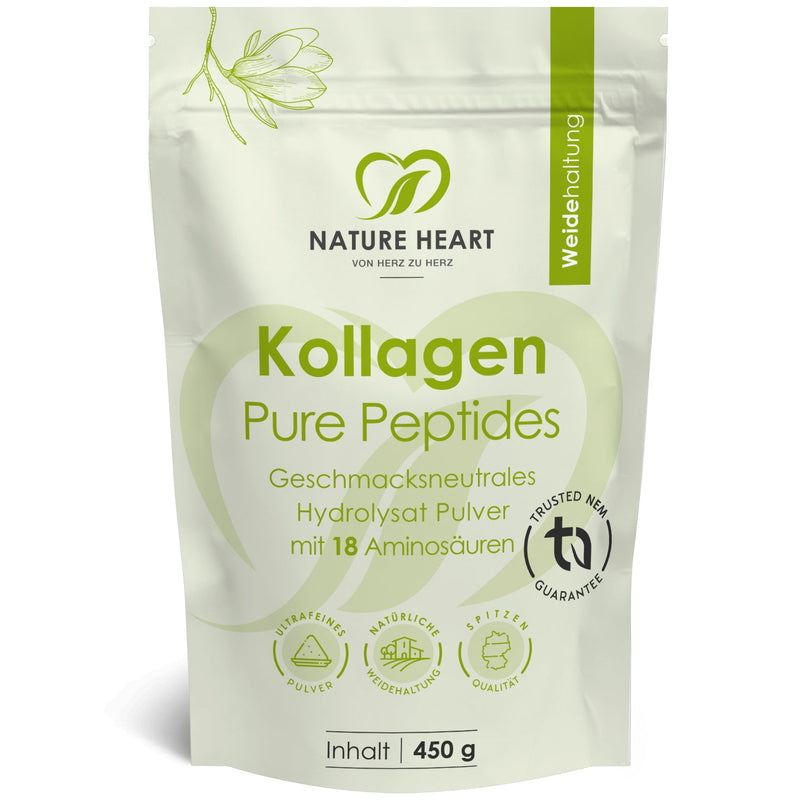
Existing product card as ingredient context; it is not a training, rehabilitation or recovery recommendation.
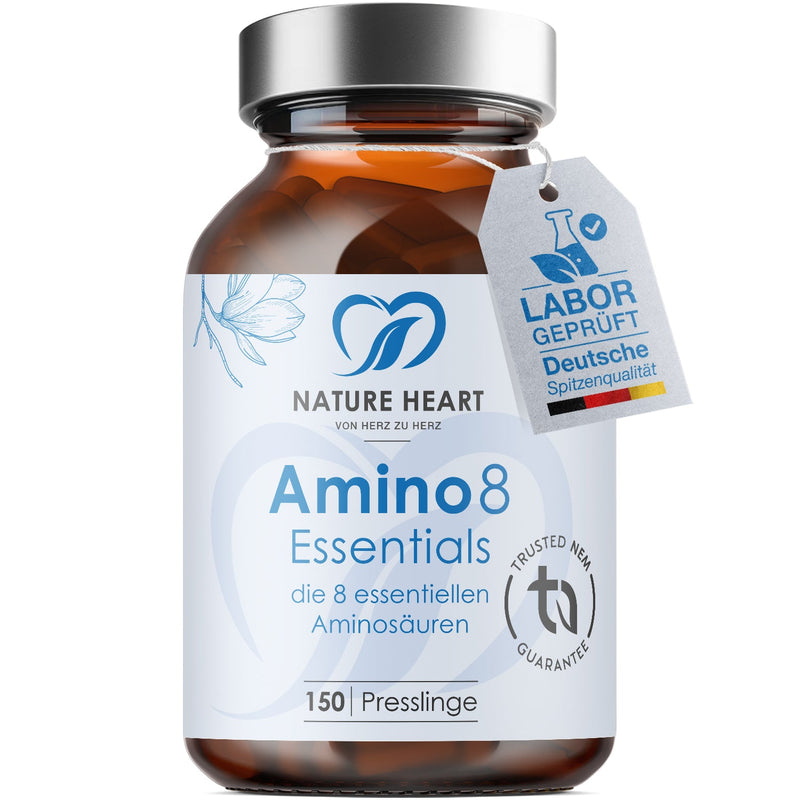
Existing card as a separate product in the sport card set; it makes no statement about training, recovery or suitability.

Existing standalone card in a separate cofactor context; it does not justify training benefit or a combination routine.
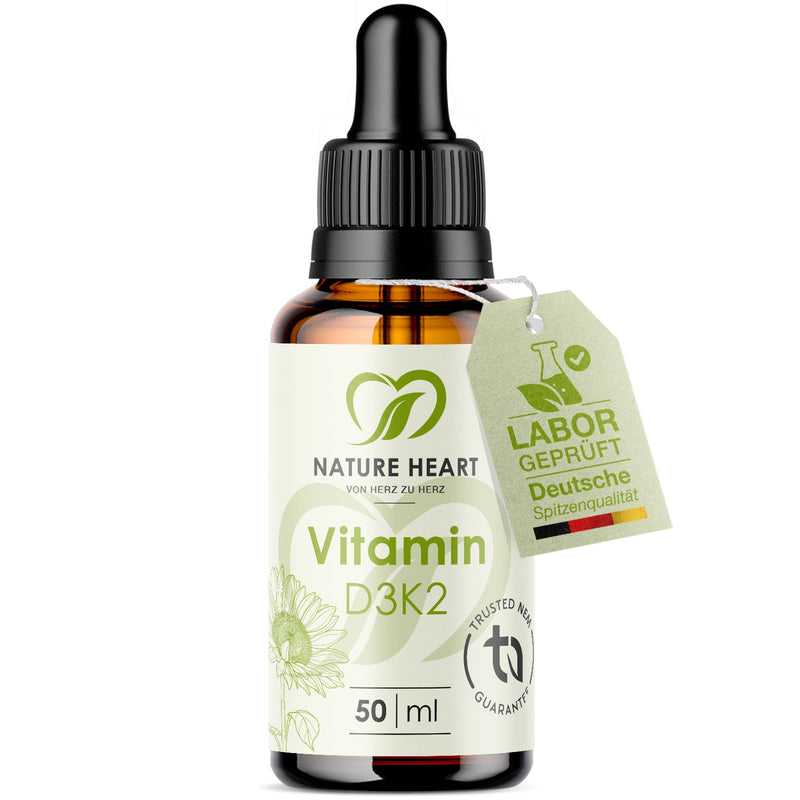
Existing card with the documented EN handle; it remains separate from training and recovery statements.
* These are affiliate links. If you buy through them we earn a commission – the price stays the same for you.
Frequently asked questions
Why is collagen discussed in sport?
Collagen is often mentioned in sport alongside connective tissue. That context is not a claim about performance, recovery or an outcome for any individual.
What is the difference between tendons, ligaments and muscles?
Muscles produce movement, tendons connect muscle to bone and ligaments stabilise joint connections. An anatomy explanation is not a supplement or training recommendation.
Which questions do studies answer in a training context?
Studies answer their defined question in a particular population and intervention. They do not automatically provide instructions for other sports, people or products.
Why is research not a recovery promise?
Even a checked research endpoint does not automatically transfer to training, injuries, rehabilitation or everyday life. Without directly relevant evidence, it cannot become a recovery promise.
When should symptoms be assessed professionally?
Symptoms, injuries and unclear load-related concerns deserve medical or sports-medicine assessment. General product information does not replace individual assessment.
Conclusion
Related articles
Collagen for Joints, Bones & Connective Tissue
Collagen as a structural protein in joints, bones and connective tissue: what studies examined and where their limits lie.
ReadBovine vs Marine Collagen: Source, Labels and Comparison Criteria
Bovine or marine is first a source description. A useful comparison checks declared features and individual exclusion criteria instead of ranking effects or quality.
ReadCofactors of collagen formation: what the label states
What cofactors are biochemically, what a label actually shows and why this article applies no claim to any product.
ReadNote: This article is for general information only and is not a substitute for medical advice. Food supplements are not a substitute for a balanced, varied diet and a healthy lifestyle. Please consult a doctor if you have health concerns. Any EFSA health claims mentioned refer to the respective nutrients at a sufficient daily intake.
About the editorial team
The content on introdrink.ch is created by our editorial team using AI-based tools and then editorially reviewed. Health-related product statements follow the EU Health Claims Regulation (HCR); the authorised statements are shown on the respective product pages. Where we reference scientific studies, we link to the original sources directly in the article. More about us →